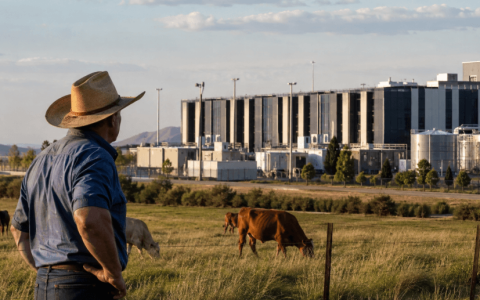

With sowing season underway across parts of southern Australia, farmers are once again confronting a familiar and deeply unsettling threat: a surge in mouse populations that could escalate into a full-scale plague. The situation is reviving memories of the devastating outbreaks that swept through eastern Australia just a few years ago.
The return of a rural nightmare
For many Australians, spotting a mouse indoors is unpleasant enough. But for farming communities, mouse plagues can mean thousands of rodents invading homes, contaminating food supplies and even disrupting sleep.
Beyond the immediate discomfort, mouse plagues carry serious economic and psychological consequences. They can destroy crops, damage machinery, spread disease and place immense stress on already stretched rural communities.
Farmers in Western Australia and South Australia are now reporting alarming increases in mouse activity, raising concerns that another major outbreak may be imminent.
Why mouse plagues happen in Australia
A long-standing invasive problem
House mice have been part of Australia’s ecosystem since their arrival with the First Fleet in 1788. In the absence of natural predators and with favourable conditions, their populations can grow rapidly.
A mouse plague is typically defined as reaching densities of at least 800 mice per hectare. Australia’s first recorded plague dates back to 1872 in Saddleworth, South Australia, and outbreaks have occurred periodically ever since.
Weather and agriculture create ideal conditions
Mouse population booms are often linked to weather events such as heavy rainfall, flooding or cyclones. Increased soil moisture supports vegetation growth and leads to strong crop yields, particularly in grain-producing regions like the Wheatbelt and parts of South Australia.
These conditions provide abundant food and shelter, allowing mice to breed for longer periods and produce multiple litters in a single season. Mild temperatures further accelerate population growth.
Rising numbers in WA and SA
Recent reports from farmers suggest the situation is escalating quickly. In some parts of Western Australia, as many as 3,000 to 4,000 mouse burrows have been recorded per hectare. In South Australia, mouse numbers are reportedly at their highest levels in at least four years.
The timing is especially concerning. Many growers are beginning their autumn seeding programs following recent rainfall. If mouse numbers continue to rise, crops could be eaten before they even germinate.
Echoes of the 2020–2021 crisis
The current পরিস্থিতা has drawn comparisons to the widespread mouse plagues of 2020 and 2021, which affected large parts of New South Wales, Victoria, Queensland and South Australia.
During that period, millions of mice destroyed crops, contaminated grain stores and damaged infrastructure over an 11-month span. The economic cost to the agricultural sector was estimated at around A$1 billion.
Beyond financial losses, the impact on mental health was significant. Many farmers reported heightened anxiety, sleep disruption and ongoing stress, compounded by concerns about rodent-borne diseases.
How farmers are responding
Baiting and chemical control
The primary method for controlling mouse populations remains baiting. Zinc phosphide is widely used across broadacre farming systems, as it is lethal to mice when consumed in sufficient quantities.
Some research suggests higher concentrations of zinc phosphide could reduce mouse numbers by up to 90%. However, Australia’s pesticide regulator has not approved broader use of stronger formulations, citing risks to non-target species such as galahs, corellas and crested pigeons.
Environmental risks and regulation
Concerns have also been raised about second-generation anticoagulant rodenticides, including brodifacoum and bromadiolone. Studies have detected these substances in native wildlife, including owls, reptiles and threatened marsupials like quolls.
In response, federal authorities have banned the sale of these products to retail consumers, prompting a shift towards safer alternatives and integrated pest management approaches.
Alternative strategies and practical measures
Farmers are increasingly adopting non-chemical methods to limit damage. These include improving grain storage to prevent contamination, sealing buildings to stop mice entering homes, and trialling physical barriers.
One innovative approach involves custom-built mouse-proof fencing, which has shown promising results on some properties. However, traditional methods such as snap traps are generally ineffective during large-scale infestations.
A familiar challenge for rural Australia
Mouse plagues remain one of the most unpredictable and disruptive challenges facing Australian agriculture. Their ability to rapidly escalate under the right conditions makes early intervention critical.
For now, farmers across Western Australia and South Australia are closely monitoring the situation, hoping that control measures and seasonal conditions will prevent a repeat of past disasters.
Conclusion
As Australia heads deeper into the growing season, the threat of another mouse plague underscores the vulnerability of rural communities to environmental and biological pressures. While farmers are better prepared than in previous years, the coming months will be crucial in determining whether this outbreak can be contained before it reaches devastating proportions.

Cory Weinberg is a contributor to Sproutwired.com, covering a wide range of topics including news, politics, business, technology, sport, entertainment and lifestyle. He focuses on delivering clear, balanced reporting that helps readers stay informed about current events and emerging developments. Cory’s work highlights relevant stories, practical insights and important issues affecting communities and industries, with an emphasis on accuracy, clarity and information that readers can trust.