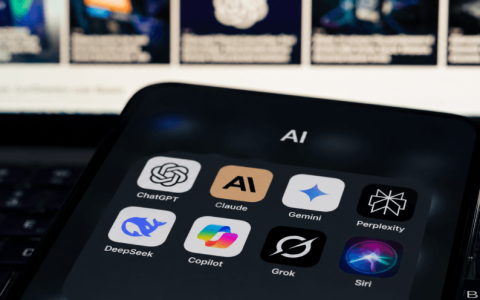

Apple has placed artificial intelligence at the centre of WWDC 2026, unveiling a broad expansion of AI-powered tools across iPhone, iPad, Mac and other devices. From a redesigned Siri to deeper on-device intelligence and smarter communication features, the company is positioning Apple Intelligence as a core part of its software ecosystem.
While the announcements covered dozens of new capabilities, several upgrades stand out as likely to have the biggest impact on how Australians use Apple devices day to day.
1. Siri Gets Its Biggest Overhaul Yet
Siri is undergoing its most significant transformation since its original launch. Until now, Apple’s assistant has offered limited AI functionality, despite integrations with services such as ChatGPT. That is changing with the introduction of a fully AI-powered Siri experience.
Apple says the upgraded assistant will support more natural, conversational interactions similar to modern chatbots. Users will be able to ask follow-up questions, hold longer conversations and assign more complex tasks without constantly repeating context.
The new Siri will also work across Apple’s operating systems in a more integrated way. During the WWDC keynote, Apple demonstrated Siri drafting emails, responding to questions about on-screen content and interacting with apps more fluidly than before.
Voice quality has also been improved, with new controls allowing users to adjust speaking tone and speed. Apple appears to be targeting the kind of natural voice interaction currently offered by rivals such as Google Gemini and ChatGPT.
Another major addition is Siri’s ability to understand personal context. Users could, for example, ask Siri to locate photos from a recent holiday or reference files stored across devices without manually searching for them.
2. Apple Doubles Down on Privacy-First AI
Privacy remains central to Apple’s AI strategy, and the company used WWDC 2026 to emphasise its differences from competitors.
Craig Federighi, Apple’s senior vice-president of software engineering, criticised rival AI systems that rely heavily on user data for model training. Apple says most Apple Intelligence features will either run directly on-device or through its Private Cloud Compute system.
According to the company, Private Cloud Compute processes requests in the cloud without exposing user data — even to Apple itself. Apple also stated that independent security experts will be able to verify the system’s protections.
For Australian consumers increasingly concerned about digital privacy and offshore data handling, Apple’s approach could become a key point of difference in the growing AI race.
3. A More Connected AI Ecosystem Across Devices
Apple is also pushing deeper integration between its devices, aiming to create what it describes as a seamless AI ecosystem.
Unlike standalone chatbot apps, Apple Intelligence will function across the operating system itself. Conversations and AI tasks can move between Mac, iPhone and iPad without requiring users to manually upload files or restart sessions.
For example, a user could begin working with documents on a MacBook before continuing the same AI-assisted task on an iPhone while commuting on Sydney’s trains or travelling interstate.
Apple says the new AI capabilities will also extend to AirPods and CarPlay, signalling a broader push into connected personal computing.
4. Smarter Communication Features Arrive Across Apps
Communication tools are receiving several practical AI upgrades designed to simplify routine tasks.
Apple Intelligence can now surface relevant information during calls, improve dictation accuracy and suggest contextual actions inside Messages. In one demonstration, the system automatically displayed flight details while a user was speaking with an airline representative.
Another example showed Messages offering one-tap shortcuts to add events directly into Calendar or save information into Notes and Reminders.
These features focus less on replacing human interaction and more on reducing small administrative tasks that can become repetitive throughout the day.
AI-Assisted Writing and Messaging
Apple is also expanding AI-generated text features. Users will be able to generate responses in their own writing style and receive contextual prompts while messaging.
While some users may remain cautious about AI-generated communication, the additions appear aimed at improving convenience rather than fully automating conversations.
5. New Image Creation and Editing Tools
Apple is expanding its image-generation and editing capabilities across its platforms.
The updated tools allow users to create custom visuals, edit existing images and make adjustments using natural language prompts. Apple demonstrated features capable of removing unwanted objects, modifying backgrounds and generating stylised artwork directly within apps.
The company appears to be positioning these tools as integrated creative utilities rather than standalone AI products, making them accessible within existing workflows on iPhone and Mac.
For content creators, students and small businesses, these additions could streamline simple design and editing tasks without requiring third-party software.
6. Safari Gains Custom AI Extensions
Safari is also receiving new AI-powered extensions designed to personalise web browsing.
Although Apple shared limited technical detail, the company indicated users will be able to add custom AI tools directly into the browser experience. These extensions could potentially assist with summarising content, organising research or automating repetitive online tasks.
The move reflects a broader industry trend toward embedding AI directly into browsers rather than relying on separate applications.
7. Natural Language Automations Simplify Everyday Tasks
One of the more ambitious announcements involves AI-driven automations controlled through everyday language.
Instead of manually building shortcuts or workflows, users will reportedly be able to describe what they want Siri or Apple Intelligence to do. The system can then create automations automatically.
For example, a user could ask for a recurring morning summary combining weather, reminders and commute information without setting up individual actions.
This could significantly lower the barrier for less technical users who previously avoided automation tools because of their complexity.
Apple’s AI Push Marks a Major Shift
WWDC 2026 signals Apple’s clearest commitment yet to artificial intelligence as a central part of its future software strategy. Rather than focusing solely on flashy chatbot features, the company is attempting to weave AI throughout its ecosystem in ways designed to feel practical and unobtrusive.
Whether the rollout lives up to expectations will depend on real-world performance once the public beta and final releases arrive. However, Apple’s emphasis on privacy, device integration and everyday usability suggests the company is aiming for a distinctly different AI experience from many of its competitors.

Cory Weinberg is a contributor to Sproutwired.com, covering a wide range of topics including news, politics, business, technology, sport, entertainment and lifestyle. He focuses on delivering clear, balanced reporting that helps readers stay informed about current events and emerging developments. Cory’s work highlights relevant stories, practical insights and important issues affecting communities and industries, with an emphasis on accuracy, clarity and information that readers can trust.