The Ministry of Internal Security said on Friday that the Argentine government – the Argentine government – announced a postponement of five weeks of legislative elections in conjunction with opposition parties. The decision also applies to party primaries, which were initially set for August.
In the vote, the center-left coalition Frante de Todos, which supports President Alberto Fernandez, is trying to defend its majority position in the Senate and its strong position in the House, in which it is the largest bloc.
“We managed to reach an agreement with various blocks [legislativos] To postpone this year’s elections, putting people’s health and lives first, “Interior Minister Enrique de Pedro said in a statement.
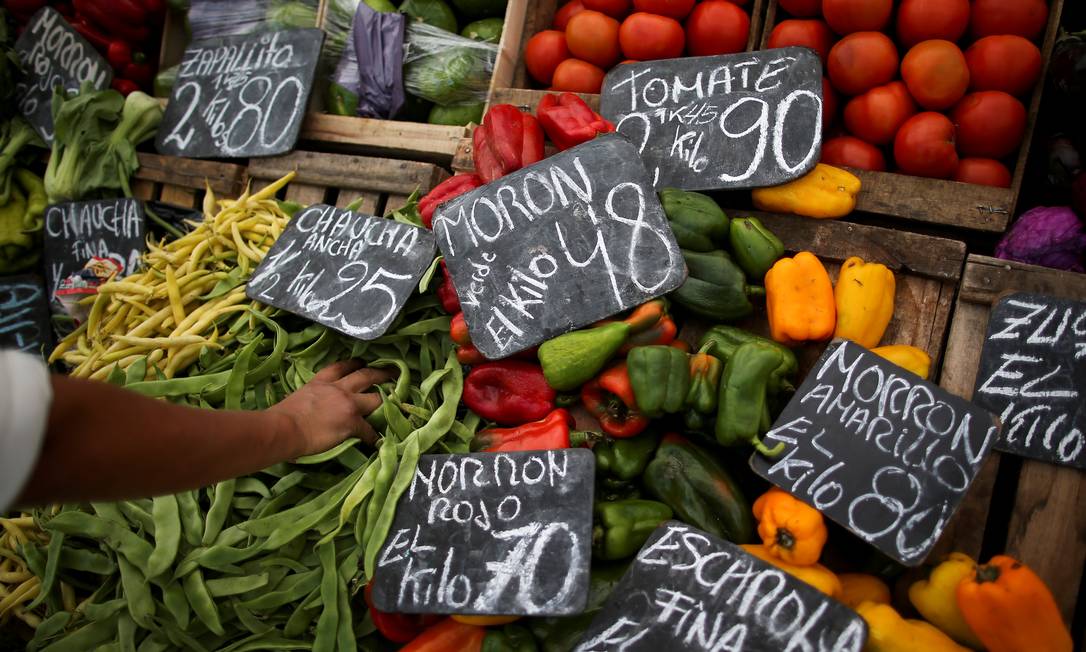
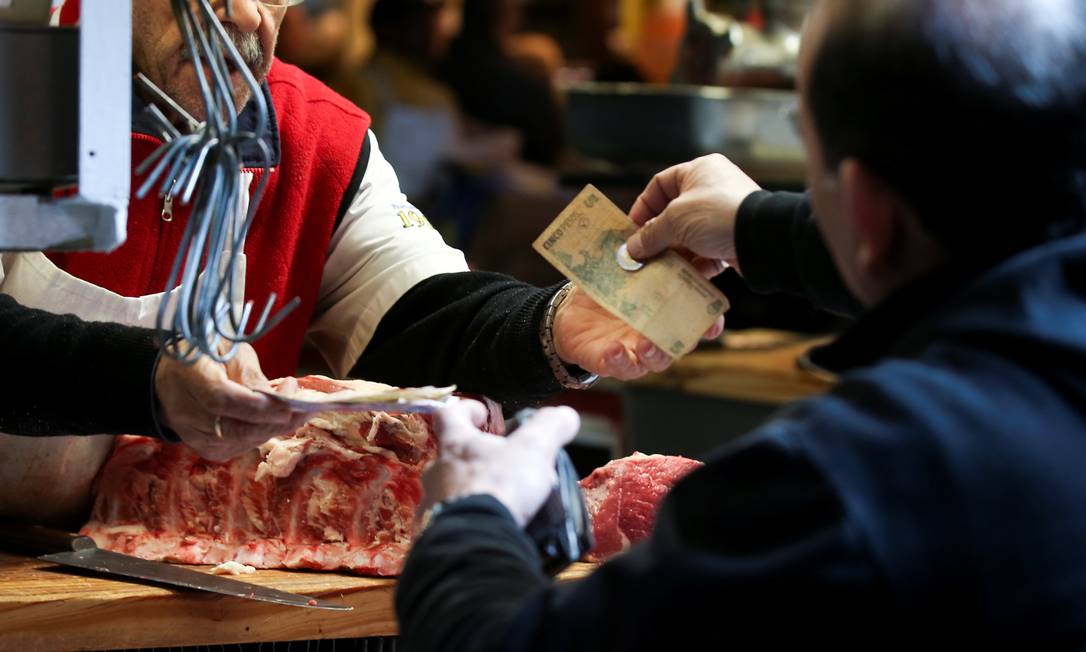
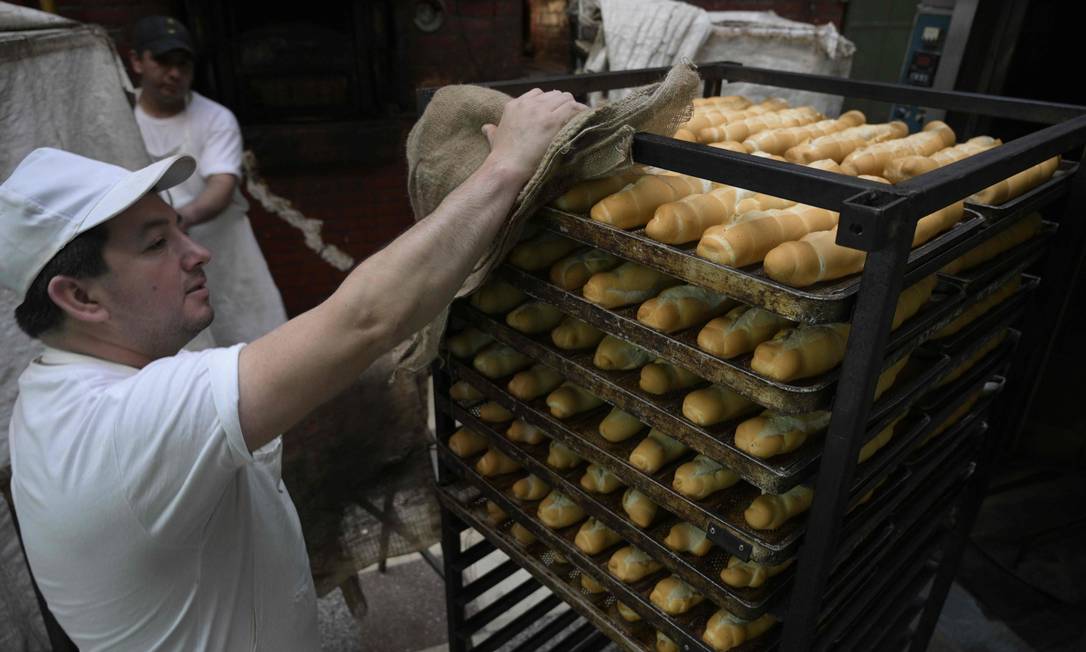
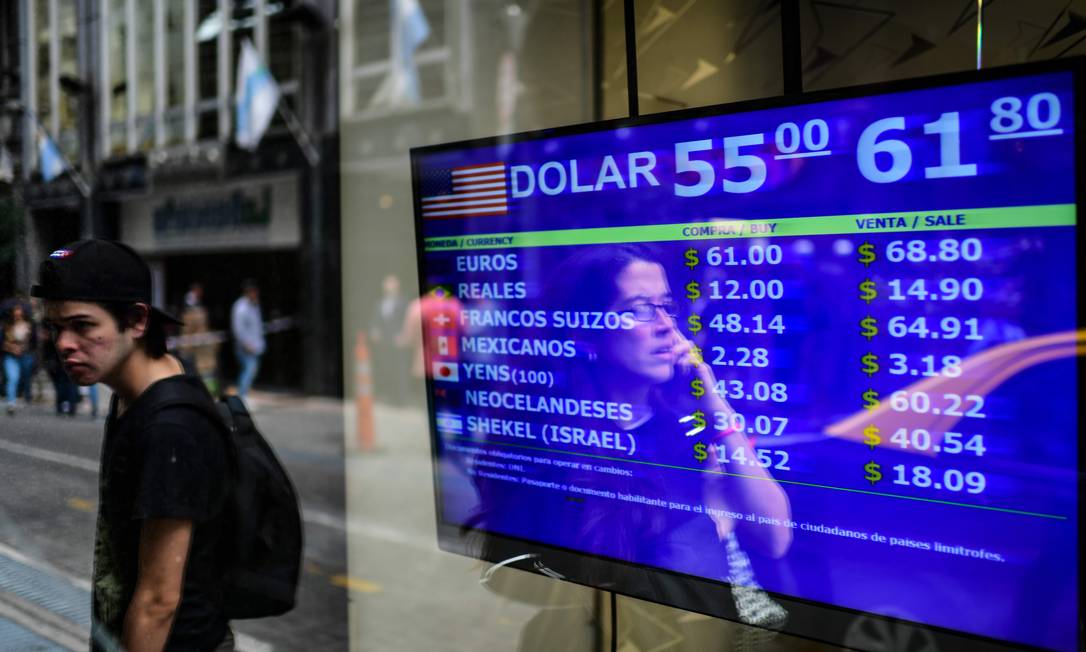
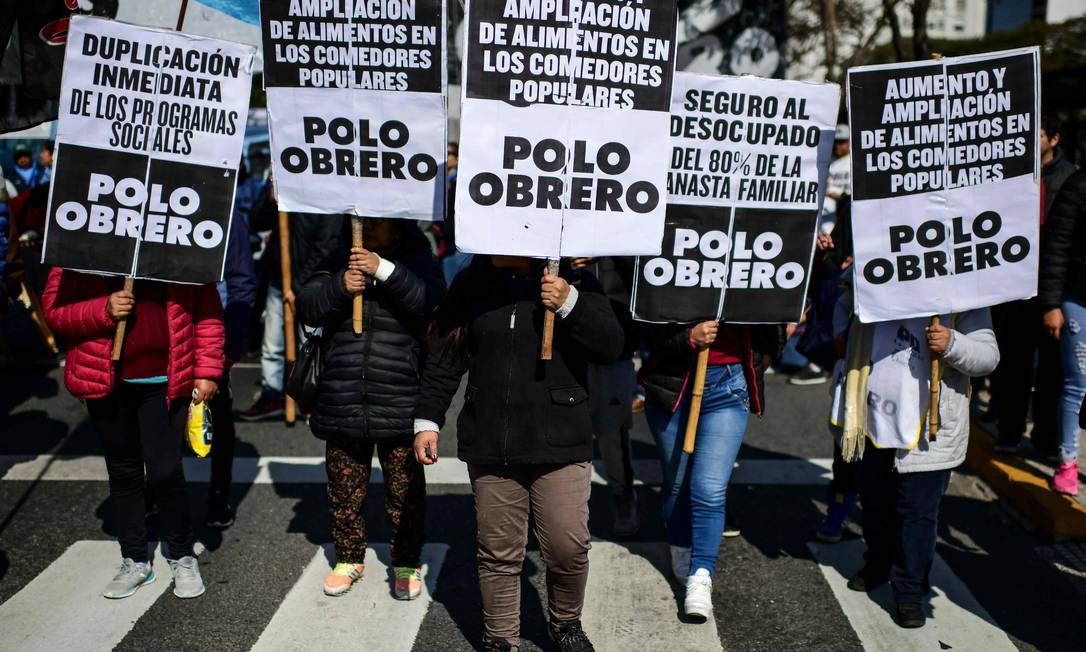
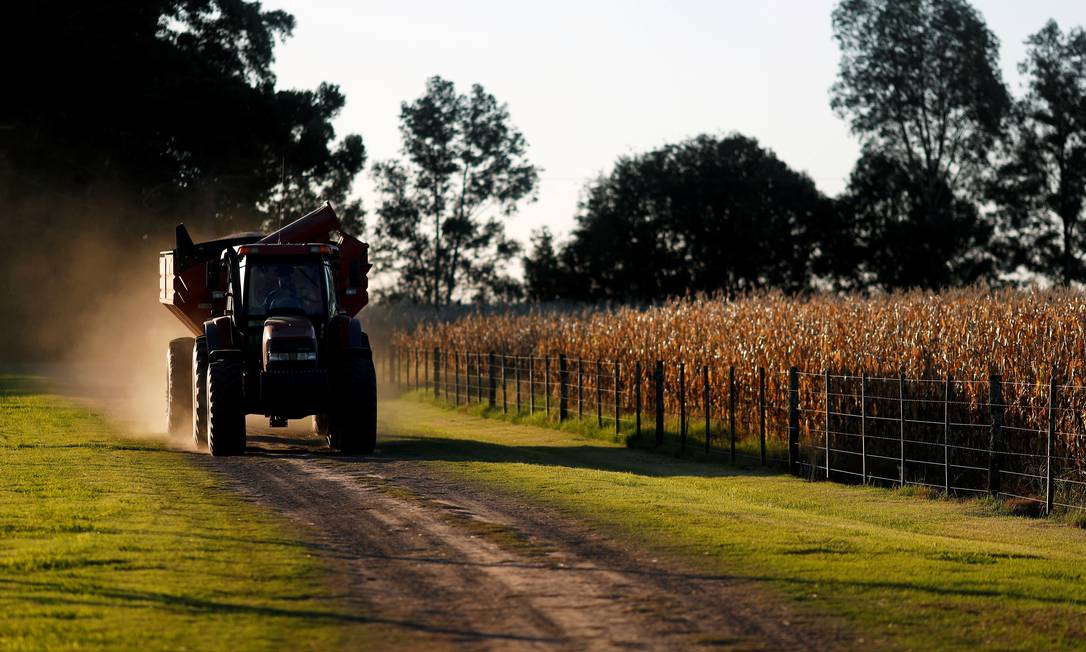
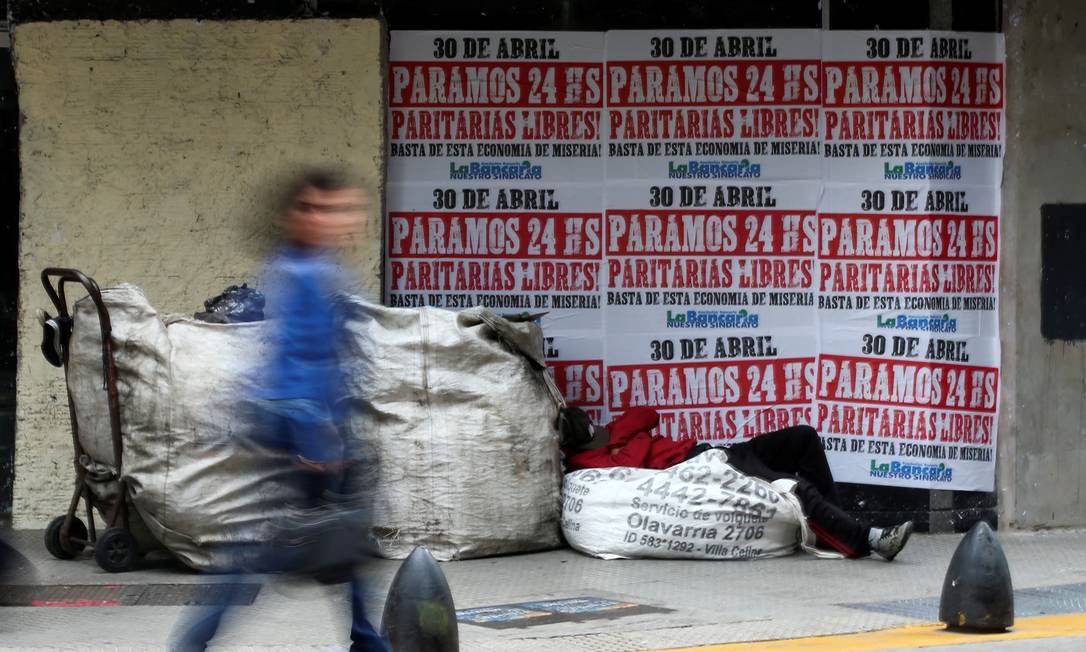
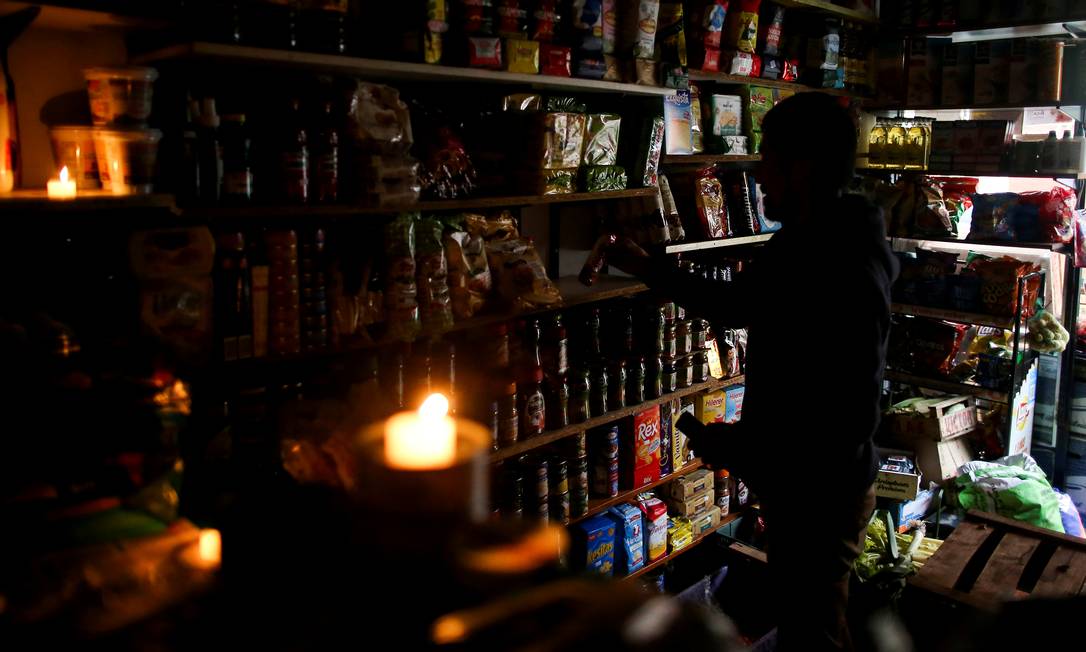
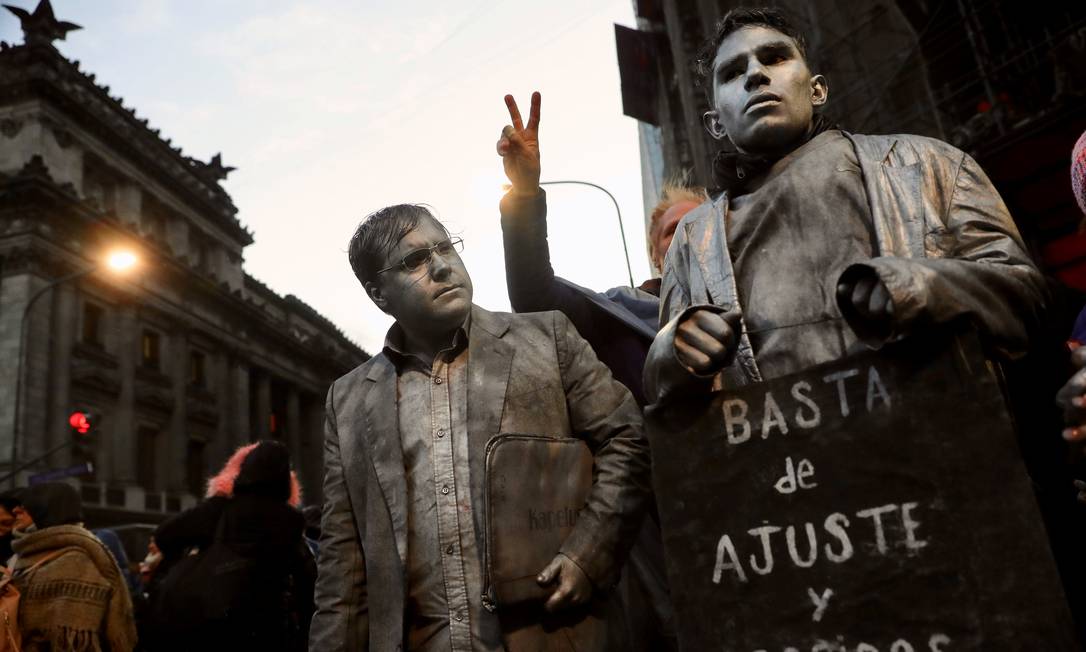
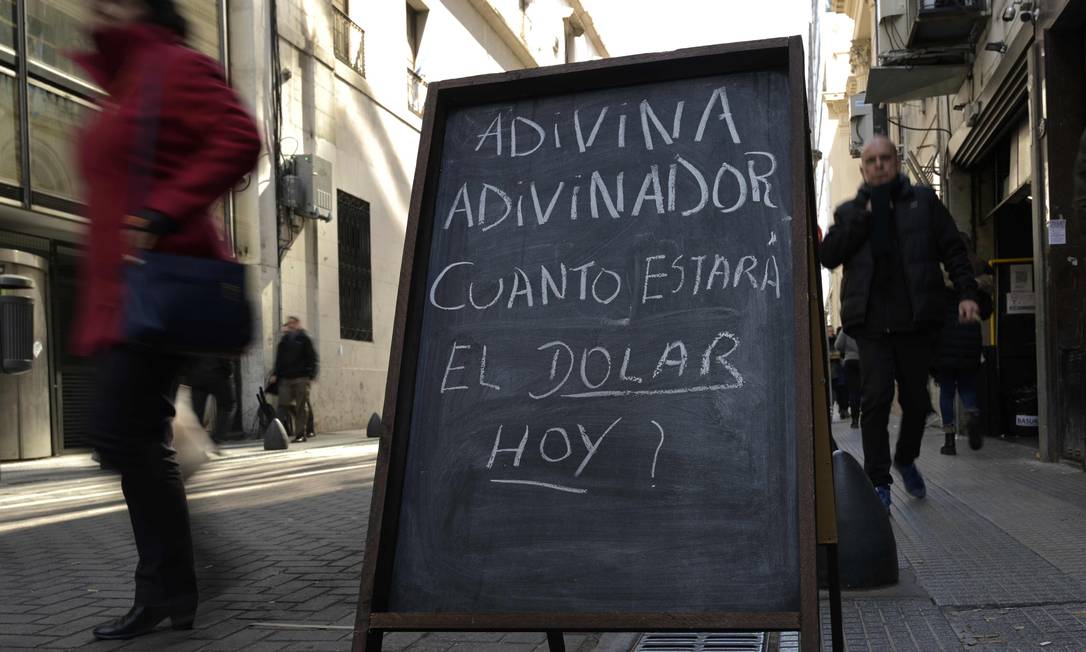
A man goes shopping in a supermarket in Buenos Aires in April 2019, when Mauricio Macri’s government announced a package of measures to curb inflationary growth in the country Photo: AGUSTIN MARCARIAN / REUTERSFreezing the products and public services needed to curb inflation in 2019 was part of the Macri government’s measures.From 2012 to 2020, Argentina GDP fell by 15%; Poverty increased from 26% to 41% Photo: AGUSTIN MARCARIAN / REUTERSInflation in the last decade was 1,500% Photo: JUAN MABROMATA / AFPDevaluation: The exchange office shows the values of the exchange of Argentine currency (peso) in August 2019. In the last three years, the value of the dollar has tripled. Photo: Ranaldo Schmidt / AFPDiscontent: Protest against the Macri government’s economic policies in Buenos Aires in August 2019. Political disappointment calls Argentina “epidemic of despair”, photo taken in photo: RONALDO SCHOIDT / AFPThe tractor passes through a plantation in Chillivoy near Buenos Aires in April 2020; Rural producers slash food prices, protesting Alberto Fernandez’s decision to ban corn exports for two monthsThe homeless man sleeps outside a currency exchange with posters announcing a general strike in April 2019; Since 2018, the country is experiencing a cocktail of increases in the dollar, interest rates, inflation and unemployment.Salesman works at his store during a national blackout in Buenos Aires in June 2019: Frustrations with governments have prompted a new exodus of Argentina out of the country Photo: Agustin Maserian / ReutersDuring a protest in Buenos Aires in 2018, protesters painted in gray gave a sign that said “no further layoffs or adjustments”Photo about the devaluation of the Argentine currency (peso) at the financial center of Buenos Aires
Mario Negri of the opposition coalition for a simultaneous revenge said the decision was awaited until more people were vaccinated.
There are 127 seats in dispute in the Chamber of Deputies out of a total of 257. In the Senate, there are 24 out of 72 in the House.
According to public opinion polls, the expectation is that the government will lose seats in the election, which should not reverse its majority, even in the Senate.
Legislative assembly elections will be held from 24 October to 14 November and the primary elections to be held will be held till 12 September instead of 8 August.
Argentina with a population of about 45 million people suffered sensitive situation In the fight against the epidemic with the increase in cases caused by the new version and the relaxation of restriction measures at the end of last year. In total, as of this Friday, there have been 3.1 million cases and 66,872 deaths in the country.
So far, at least 8.95 million people have received a single dose of the Kovid-19 vaccine – about 16% of the population -, while 1.31 million have received two.