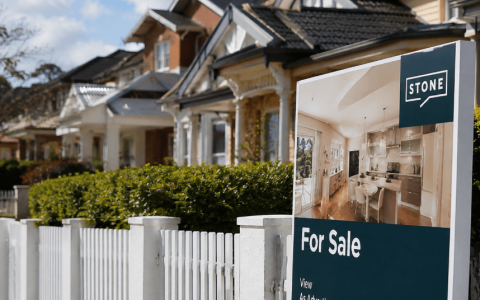

WASHINGTON (Reuters) – New home construction in the United States increased more than expected in June, although costly lumber and labor and land shortages continue to hamper developers’ ability to take full advantage of strong housing demand.
Home construction starts last month at a seasonally adjusted annual rate of 1.643 million units, the Commerce Department said Tuesday.
Economists consulted by Reuters projected an increase of 1.590 million units. The data for May was reduced to 1.546 million units from the previously reported 1.572 million.
Despite the increase in the previous month, manufacturing start-ups remained below the March level of 1.725 million units, the highest level since June 2006.
Permits for future home construction fell 5.1% in June to 1.598 million units.
Housing demand is driving low interest rates and migration of people from cities to suburbs and other low-density areas to work and study during the COVID-19 pandemic.
But that trend is slowly waning as vaccinations allow companies to recall workers to inner-city offices.
“We expect modest improvement in sales and new home construction in the second half of the year,” said Sam Bullard, senior economist at Wells Fargo in Charlotte, North Carolina.
“Demand is not the issue, affordability is problematic as home prices have risen due to exceptionally low inventory and will continue to be a drag on the sector for the foreseeable future.”
Second-hand home supply is near a record low, leading to a double-digit increase in average home prices.
(by Lucia Mutikani)

Henry Lawson is a contributor at Sproutwired.com, covering a wide range of topics including news, politics, business, technology, sport, entertainment and lifestyle. He focuses on delivering clear, accurate and reader-friendly reporting that helps audiences stay informed about current affairs and important developments. With an emphasis on useful information and balanced coverage, Henry aims to highlight stories that matter most to readers, providing context and insight in a straightforward and accessible way.