
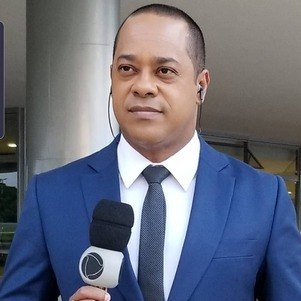
At a time when our country records high numbers of Kovid-19 victims, the “record camera” raises questions, and also illustrates the challenges and changes in the lives of unnamed Brazilian heroes.
Exactly a year ago, WHO – the World Health Organization classified the spread of the new coronavirus as an epidemic – the largest global health crisis of our time. In the same month, in March 2020, the first death was recorded in Brazil, the victim of the disease.
Twelve months later and records are horrifying, with record numbers of deaths per day and queues for vacancies in hospitals
The “record camera” was looking for people who started living with the problem from the beginning, when little was known about viruses and the use of masks was not yet mandatory.
For example, Julie Pearce had to take care of her ailing mother and sister. Separated indoors, she remembers being criticized in the building. “There was a resident who said: ‘What are you going to do with them?’
For community leader Donna Lucia Ferreira in one of the most deprived areas of São Paulo, it was also a challenge to help neighbors and seek help for themselves. “I have never lived without paying my water, electricity and telephone bills in my life,” he says.
The “record camera” also shows the challenges that lie ahead and the problems are very serious, such as the lack of vacancies and queues by the ICU.
It is Sunday, followed by “Fantastic Sunday”, with the presentation of Luiz Fara Monteiro.

Kate Grenville is a contributor to Sproutwired.com, covering a broad range of topics including news, politics, business, technology, sport, entertainment and lifestyle. She focuses on delivering clear, balanced reporting that helps readers understand current events and developments that matter to everyday life. With an emphasis on accuracy, relevance and accessibility, Kate aims to provide useful information, timely updates and engaging stories that keep audiences informed about issues shaping Australia and the wider world.