
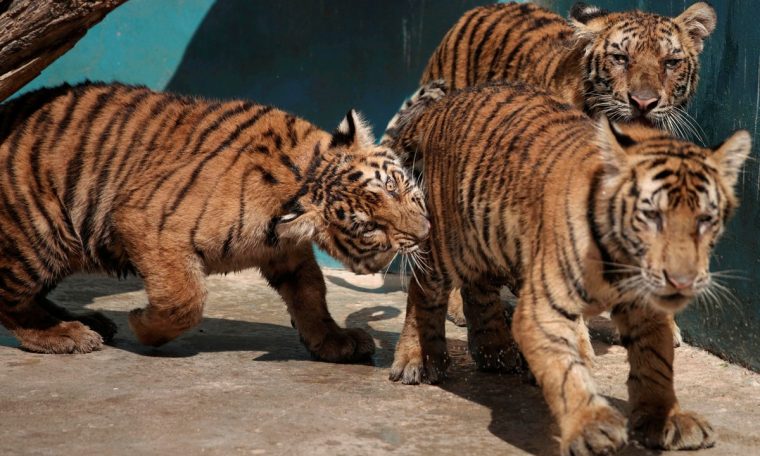
According to caretakers at Cuba’s National Zoo, exotic and endangered animal species took advantage of the silence caused by the lack of visitors during the pandemic, resulting in a unexpected number of puppies.
The newborns include leopards, Bengal tigers, zebras, giraffes and antelope, a rare population increase that the Cuban authorities had for several months after the zoo was closed during the pandemic, veterinarian Rachel Ortiz said.
“Although the pandemic is negative for humans, it was beneficial in the case of zoos,” Ortiz told Reuters. “Our park, in particular, has had more than 10 births of high-value, endangered species that may at some point restore biological diversity.”
Ortiz said that, during a typical year, the eyes of zoo visitors limit breeding. The National Zoo is a popular attraction for Cubans, with 1,473 specimens from more than 120 species, including large animals such as elephants and rhinos.
Cuba closed its borders for nearly two years amid the pandemic and enforced strict home quarantine to limit the spread of the coronavirus. “With no public in the exhibition areas, the animals are quiet,” Ortiz explained.

Muhammad Wayne is a contributor at Sproutwired.com, covering a broad range of topics including news, politics, business, technology, sport, entertainment, and lifestyle. He focuses on delivering clear, balanced reporting and useful information that helps readers stay informed about current affairs and emerging developments. His work aims to present relevant stories in an accessible and engaging way, with an emphasis on accuracy, context, and issues that matter to everyday readers.